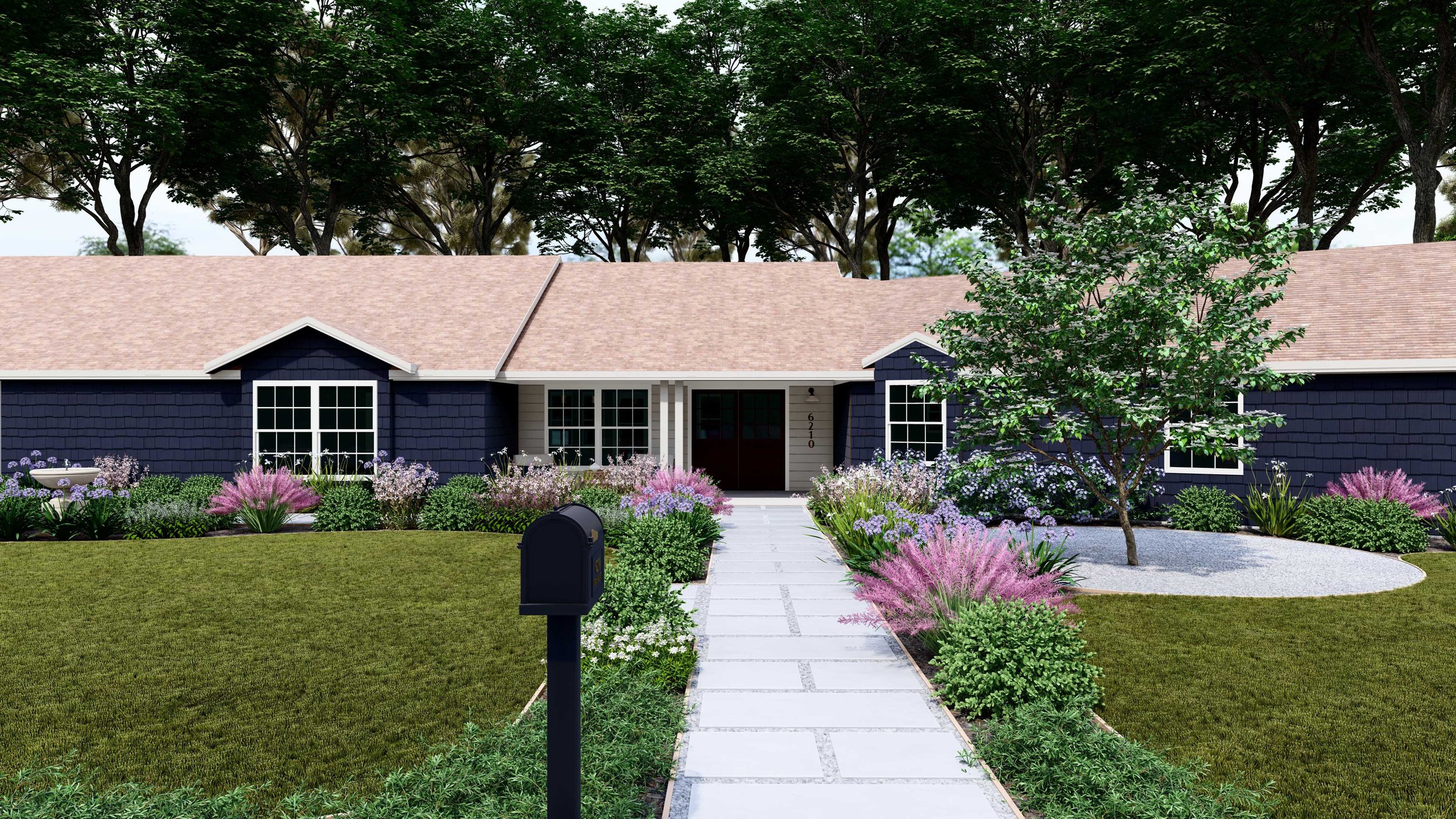
Mastering Front Yard Design for Ranch Homes: Creating Beautiful and Functional Outdoor Spaces

SUBMIT YOUR DETAILS FOR
Ranch homes, with their characteristic single-story layout, open floor plans, and often sprawling footprint, present a unique canvas for front yard design. Unlike multi-story homes that draw the eye upwards, ranch houses emphasize horizontal lines and a close connection to the landscape. This architectural style, popular from the mid-20th century, calls for a thoughtful approach to landscaping that complements its low-slung profile and often minimalist aesthetic. The front yard of a ranch home isn’t just a decorative space; it’s an extension of the living area, an opportunity to enhance curb appeal, and a chance to create a welcoming first impression. Designing this space well means understanding how to balance the home’s broad dimensions with natural elements, ensuring beauty, functionality, and a sense of harmony.
The essence of ranch home landscaping lies in embracing its inherent simplicity and connection to the land. These homes often feature long, unbroken sightlines, which can be either a design challenge or a great asset. The goal is to create a visual flow that integrates the house with its surroundings, making the outdoor space feel like a natural part of the home rather than a separate entity. Consider the home’s architectural details – its roofline, window placement, and any existing features like stone accents or exposed beams. These elements should inform your design choices, from plant selection to hardscaping materials. The beauty of a well-designed ranch front yard is its ability to look both effortless and sophisticated, offering a sense of calm and accessibility.
One of the first steps in designing your ranch home’s front yard is to think about how you want to use the space. Is it purely for aesthetics and welcoming guests? Or do you envision a small seating area, a place for children to play, or perhaps a functional garden? Ranch homes often have generous front yards, providing ample opportunity for various zones. This is where the concept of outdoor living truly comes into play. By integrating thoughtful design elements, you can transform a simple lawn into a vibrant, usable extension of your home. This approach also significantly boosts curb appeal for ranch style homes, making them more inviting and visually appealing from the street.
When considering planting ideas for ranch homes, balance and scale are key. Because ranch houses are long and low, tall, bushy plants placed directly in front of the house can overwhelm it, making it appear even shorter or obscuring its architectural details. Instead, focus on layered planting with varying heights that gradually increase away from the house. Use shorter plants closest to the foundation, transitioning to medium-sized shrubs, and then perhaps a strategically placed small tree further out. This creates depth and interest without making the home feel dwarfed. Think about plants with interesting textures, colors, and seasonal appeal to ensure year-round beauty. Low maintenance front yard ranch designs often incorporate native plants that thrive in your local climate, requiring less water and care once established.
Hardscaping plays a crucial role in defining spaces and providing structure in a ranch front yard. Walkways and paths are not just functional; they guide visitors and create a visual journey. A gently curving path made of flagstone or pavers can soften the linear nature of a ranch home, inviting people towards the front door. Ensure the walkway is wide enough for two people to walk comfortably side-by-side, typically at least 4-5 feet. Materials should complement the home’s exterior; for example, warm-toned pavers might suit a brick ranch, while sleek concrete slabs could enhance a modern ranch house landscaping theme. The entryway design ranch house often benefits from clear, inviting paths that lead directly to the door, perhaps flanked by low-growing plants or attractive planters.
Beyond paths, consider a front yard patio ranch house. Even a small, intimate seating area near the entrance can make the front yard more inviting and functional. This could be a modest concrete pad, a flagstone patio, or a deck extension, complete with a couple of chairs and a small table. This creates a welcoming spot for morning coffee or an evening chat with neighbors. Such an addition blurs the lines between indoor and outdoor living, a hallmark of ranch home design. For those looking for a more distinct aesthetic, mid century modern ranch landscaping often incorporates geometric patios and planters, reflecting the clean lines and forward-thinking design of the era.
Water features, even small ones, can add a sense of tranquility and a focal point to your ranch house garden design. A simple bird bath, a small bubbling fountain, or a rock garden with a dry creek bed can introduce soothing sounds and visual interest without overwhelming the space. These elements work particularly well with drought tolerant landscaping ranch styles, where water is used sparingly and intentionally. Consider the sound and visual impact carefully, ensuring it complements the overall peaceful atmosphere you want to create.
Outdoor lighting ranch homes is essential for both safety and ambiance. Path lights illuminate walkways, preventing trips and falls, while uplights can highlight architectural features of your home or showcase beautiful trees and shrubs. Accent lighting can draw attention to a water feature or a piece of garden art. Layered lighting creates depth and extends the usability of your front yard into the evening hours. Modern ranch house landscaping often uses sleek, minimalist fixtures that blend seamlessly with the home’s contemporary lines. Solar-powered lights offer an easy, energy-efficient option for adding illumination without complex wiring.
For those in arid regions or homeowners prioritizing sustainability, desert landscaping ranch home techniques are ideal. This involves selecting plants that thrive with minimal water, such as cacti, succulents, and native grasses. Gravel and decomposed granite can replace traditional lawns, significantly reducing water consumption and maintenance. Incorporate boulders and natural stone elements to mimic a desert environment, creating a rugged yet beautiful aesthetic that perfectly suits the understated elegance of a ranch home. Drought tolerant landscaping ranch designs don’t have to be stark; with careful plant selection, you can achieve a vibrant, textural landscape that conserves resources.
Privacy landscaping ranch house designs are also important, especially given the open nature of many ranch homes. While you don’t want to completely wall off your front yard, strategic planting can create a sense of seclusion without sacrificing openness. Taller shrubs or small trees placed along property lines can define boundaries and offer a gentle screen. Consider evergreen varieties for year-round privacy. A low hedge along the front can create a subtle barrier without blocking views. The key is to create a sense of enclosure where needed, while still maintaining an inviting entrance.
To achieve a truly cohesive look, consider the materials you use for hardscaping. Concrete, gravel, natural stone (like flagstone or bluestone), and wood are all excellent choices. The materials should harmonize with your home’s exterior finishes. For instance, if your ranch home has a brick façade, consider incorporating brick elements into your pathway or garden edging. If it features a more modern stucco or wood siding, clean concrete paths or dark gravel might be more appropriate. Consistency in material selection throughout the front yard design for ranch homes helps create a unified and polished appearance.
When thinking about your ranch house garden design, remember that layering plants is crucial. Start with low-growing groundcovers or perennials closest to the house foundation. Then, add medium-height shrubs or ornamental grasses behind them. If space allows and it won’t overshadow the house, a small ornamental tree can be placed further out in the yard to provide shade or a vertical accent. Avoid planting large, dense shrubs directly in front of windows, as they can block light and views, making rooms feel darker and smaller. Instead, choose plants that will mature to a height below the windowsills or frame them nicely. This careful consideration of planting ideas for ranch homes helps maintain the open, airy feel characteristic of the style.
A significant benefit of designing a ranch front yard is the potential for low maintenance. By selecting native plants, drought-tolerant species, and incorporating efficient irrigation systems, you can drastically reduce the time and effort needed to keep your yard looking pristine. Mulching garden beds not only helps retain moisture and suppress weeds but also adds a finished, tidy look. Consider hardier varieties of shrubs and perennials that are less prone to disease and pest issues. The goal of a low maintenance front yard ranch is to enjoy your outdoor space without it becoming a chore.
The entryway is often the most important focal point of the front yard. This area should be clearly defined and exceptionally welcoming. Beyond the pathway, think about the front door itself. A fresh coat of paint in a color that complements your home’s exterior can make a big impact. Flank the door with attractive planters filled with seasonal flowers or architectural plants like succulents or ornamental grasses. A stylish doormat and appropriate outdoor lighting complete the look. This entryway design ranch house approach creates an immediate sense of welcome and clearly signals the main entrance.
For homeowners interested in modern ranch house landscaping, the focus is often on clean lines, minimalist planting, and the integration of contemporary materials. Think about geometric shapes in your planting beds, sleek concrete planters, and perhaps a restricted palette of plants that offer strong architectural forms. Ornamental grasses, agaves, and succulents are popular choices for their sculptural qualities. The overall effect is sophisticated and understated, complementing the clean aesthetic of a modern ranch home. This style often favors efficiency and simplicity, avoiding clutter and excessive ornamentation.
Small front yard landscaping ranch homes require particular ingenuity. If your ranch home has a limited front yard, every element needs to serve a purpose and be carefully scaled. Instead of sprawling beds, focus on a few key plants in containers or a narrow, well-defined border. Use vertical elements like a trellis with climbing plants to add height without taking up much ground space. A small, bistro-style seating area can still fit, perhaps nestled near the front door. Creative use of hardscaping, like stepping stones or a compact gravel path, can create the illusion of more space and guide the eye effectively.
Finally, remember that your front yard is a personal expression. While these guidelines offer a framework, infuse your design with elements that reflect your taste and lifestyle. Whether you prefer a lush, traditional garden or a sleek, modern landscape, the key is to create a space that feels inviting, functional, and perfectly at home with your ranch house. The beauty of ranch home landscaping lies in its versatility and its ability to connect the interior comfort with the beauty of the outdoors, truly elevating your home’s curb appeal and enhancing your everyday living. By considering balance, functionality, and your home’s unique architectural character, you can craft a front yard that is both beautiful to behold and a joy to experience.


