Salt Air and Sovereignty: The Definitive Guide to the Luxury Beachfront Property Market

SUBMIT YOUR DETAILS FOR
The Allure of the Endless Blue
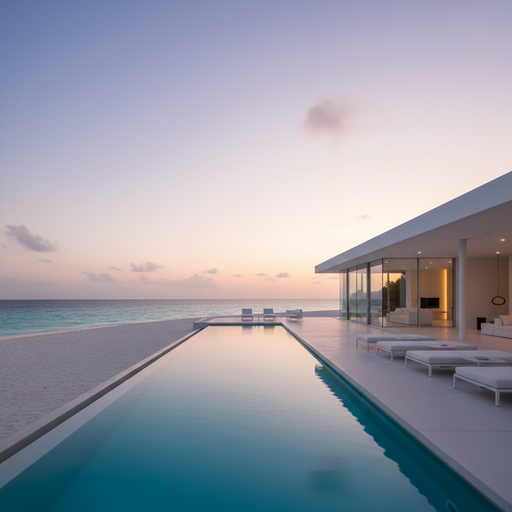
Imagine waking up to a symphony of rhythmic waves crashing against the shore, the scent of salt air wafting through floor-to-ceiling glass walls, and the first light of dawn painting the horizon in shades of amber and violet. This isn’t just a vacation dream; for a growing number of global investors and homeowners, this is the daily reality of the luxury beachfront property market. For centuries, the edge of the ocean has represented the ultimate frontier of prestige, but today, the definition of coastal luxury is undergoing a profound transformation.
In the past, a beachfront mansion was simply a trophy—a place to host lavish summer parties or a retreat for the elite during the holidays. However, the world has shifted. The modern buyer is no longer just looking for a prestigious address; they are seeking a sanctuary that blends cutting-edge technology with the raw, healing power of nature. This storytelling journey explores why the luxury beachfront market remains one of the most resilient and fascinating sectors in global real estate.
The Psychology of Blue Health
Why do we pay millions to live near the water? It goes beyond the view. Scientists and psychologists have long discussed the concept of “Blue Mind”—the mildly meditative state we fall into wheear, in, or under water. In a world characterized by digital noise and high-stress environments, the ocean offers a natural reset button. This “Blue Health” movement is a major driver in the current market.
Luxury developers are now designing homes that maximize this psychological benefit. We are seeing a rise in “biophilic design,” where the architecture blurs the lines between the indoor living space and the outdoor marine environment. Open-concept floor plans, infinity-edge pools that seem to spill into the ocean, and outdoor showers are no longer optional extras; they are the core components of a wellness-focused lifestyle that high-net-worth individuals are willing to pay a premium for.
Defining Trends: What Modern Buyers Want
The luxury beachfront market is currently shaped by three major pillars: sustainability, privacy, and coectivity. As the world becomes more conscious of environmental impacts, the “eco-luxury” segment is booming. Buyers are looking for properties equipped with solar glazing, desalination systems, and sustainable materials that can withstand the harsh coastal elements without sacrificing aesthetic elegance.
The Rise of the “Invisible” Home
Privacy has become the new currency of the ultra-wealthy. In popular hubs like Malibu or the French Riviera, the most sought-after properties are those tucked away from public view, utilizing natural topography and clever landscaping to create a private fortress. This demand has led to a surge in private island sales and “gated coastlines” where security and anonymity are guaranteed.
The Work-from-Beach Revolution
The traditional “secondary home” market has merged with the primary residence market. Thanks to high-speed satellite internet and the shift toward remote leadership, billionaires are trading corporate boardrooms in Manhattan or London for home offices overlooking the Caribbean or the Mediterranean. This shift has extended the “busy season” for many coastal towns, turning quiet summer retreats into year-round luxury hubs.
Global Hotspots: Where the Tide is High
While the desire for beachfront living is universal, certain locations have emerged as the gold standards of the luxury market. Each offers a unique flavor of coastal living.
- The Hamptons, New York: The pereial favorite for the American elite. Here, the market is characterized by sprawling shingle-style estates and high barriers to entry, ensuring that property values remain sky-high even during economic shifts.
- The French Riviera (Côte d’Azur): The epitome of old-world glamour. From Saint-Tropez to Caes, this region remains a magnet for European royalty and global celebrities, offering a blend of historic charm and modern opulence.
- Dubai, UAE: A marvel of modern engineering. The Palm Jumeirah and the newly developed beachfront districts offer ultra-modern villas with private beaches, catering to those who want luxury paired with futuristic urban infrastructure.
- Bali, Indonesia: Representing the “Tropical Modernism” movement. Bali has become a hotspot for high-end investors looking for architectural masterpieces that integrate lush jungles with pristine white sand beaches.
- Miami, Florida: The capital of “New Money” and high-energy luxury. With its vibrant culture and tax-friendly environment, Miami’s beachfront condos and Star Island mansions are seeing record-breaking sales.
The Investment Perspective: Why the Coast is a Safe Haven
From a purely financial standpoint, luxury beachfront property is often considered a “legacy asset.” Unlike urban apartments that can be built in high density, beachfront land is a finite resource. You caot manufacture more coastline. This inherent scarcity creates a natural floor for property values.
Historical data shows that prime waterfront real estate tends to appreciate faster than inland properties. Furthermore, these homes offer incredible versatility. They serve as a primary residence, a vacation getaway, or a high-yield rental property in the booming luxury travel market. For many, a beachfront villa is not just a place to live; it is a strategic hedge against inflation and a tangible way to preserve wealth for future generations.
Navigating the Challenges
Living on the edge of the world comes with its own set of challenges. The luxury beachfront market is not without risk, and savvy buyers must do their due diligence. Climate change and rising sea levels are no longer distant threats but active considerations in the buying process. This has led to a new era of “resilient luxury.”
Investors are now looking for properties built with advanced engineering—homes elevated on sophisticated pier systems, reinforced seawalls, and hurricane-resistant glass. Additionally, the maintenance of a coastal home is significantly higher due to the corrosive nature of salt and humidity. A professional property management team is a non-negotiable requirement for anyone entering this market. Understanding the local zoning laws and environmental protections is also crucial, as many coastlines are now under strict conservation mandates.
The Future of Coastal Living
As we look toward the future, the luxury beachfront market will continue to evolve. We are likely to see more “floating villas” and modular coastal homes that can adapt to changing environments. Technology will play a bigger role, with smart home systems that can automatically prepare a house for a storm or optimize energy use based on the sun’s position over the water.
However, despite all the technological advancements, the core appeal remains the same: the human coection to the sea. There is something primal and deeply satisfying about owning a piece of the earth where the land meets the ocean. It is a symbol of success, a vessel for health, and a sanctuary for the soul.
Conclusion
The luxury beachfront property market is more than just a sector of real estate; it is a reflection of our highest aspirations. It represents the perfect marriage of human ingenuity and natural beauty. Whether it is a minimalist glass box in Malibu or a colonial-style villa in the Caribbean, these homes offer a lifestyle that is increasingly rare in our crowded world—space, silence, and the sovereignty of the horizon.
For those with the means to enter this market, the rewards go far beyond financial ROI. It is about the stories told over sunset diers, the peace found in the sound of the tide, and the legacy of a home that will stand as a testament to a life well-lived. In the world of luxury real estate, the ocean isn’t just a view; it’s the ultimate amenity.


