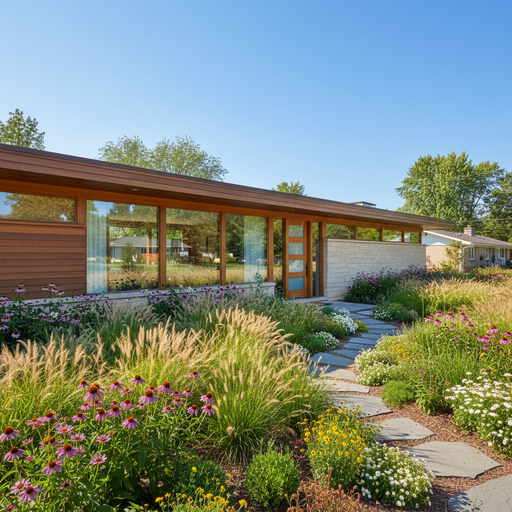
Rooted in Tradition: A Complete Guide to Native Plant Landscaping for Your Modern Ranch Home

SUBMIT YOUR DETAILS FOR
The Timeless Appeal of the Ranch Home Meets the Wisdom of Nature
There is something inherently nostalgic about a ranch-style home. With its long, low profile and sprawling layout, the “California Ranch” or “Rambler” became a symbol of the American dream in the mid-20th century. It was designed for easy living, accessibility, and a seamless coection between the indoors and outdoors. However, for decades, the standard landscape for these homes was a thirsty, high-maintenance rectangle of green turf grass, often flanked by a few lonely boxwood shrubs.
I remember visiting my uncle’s ranch home in the suburbs of Denver every summer. He spent every Saturday morning fighting a losing battle against the heat, dragging hoses across the lawn to keep that grass green while the local prairie thrived just a few miles away. Today, homeowners are moving away from that high-stress “mow-and-blow” mentality. Instead, they are embracing native plant landscaping—a movement that honors the local environment while perfectly complementing the horizontal lines of the classic ranch house.
In this guide, we will explore how to transform your ranch property into a sustainable, stuing sanctuary using plants that were meant to be there all along. We will dive into the design principles that make ranch homes unique and how to choose native species that thrive in your specific region.
Why Native Plants are the Perfect Match for Ranch Architecture
Ranch homes are defined by their horizontal emphasis. They sit low to the ground, often featuring wide eaves and large picture windows. When you landscape with native plants, you aren’t just saving water; you are creating a visual dialogue between the architecture and the earth. Native plants often have a more organic, flowing structure thaon-native ornamental species, which helps soften the sharp corners of a ranch home’s silhouette.
Beyond aesthetics, native landscaping offers several undeniable benefits:
- Water Conservation: Native plants have evolved to survive in your local climate, meaning they require significantly less supplemental watering once established.
- Biodiversity: By planting natives, you provide essential food and habitat for local pollinators, birds, and beneficial insects. Your yard becomes a living ecosystem.
- Low Maintenance: You can say goodbye to chemical fertilizers and heavy pesticides. Native plants are naturally resistant to local pests and diseases.
- Soil Health: Deep-rooted native pereials and grasses help prevent erosion and improve the soil’s ability to absorb rainwater.
Designing the Horizontal Plane: Principles for Success
When plaing your landscape, think about the “layers” of your ranch home. Because the house is single-story, you want to avoid planting massive, towering trees too close to the structure, as they can overwhelm the building and make it look tiny. Instead, aim for a “stepped” approach.
1. Create Layered Visual Interest
Start with low-growing groundcovers near the walkways, transition to mid-sized pereial flowers and grasses in the middle, and use structural shrubs or small ornamental trees as accents. This layering mirrors the sprawling nature of the ranch home and draws the eye across the entire property rather than just focusing on one spot.
2. Frame Your Windows
Ranch homes often feature large windows designed to bring the outside in. Choose native plants that offer multi-seasonal interest—perhaps something that blooms in the spring and provides beautiful seed heads or colorful bark in the winter. Watching a goldfinch land on a native coneflower right outside your living room window is a joy that a plain lawn simply caot provide.
3. Use Negative Space Wisely
You don’t need to fill every square inch with plants. Using local stone, gravel paths, or a simple mulch walkway can provide “breathing room” for your native garden. This clean look aligns well with the “Mid-Century Modern” aesthetic often associated with ranch homes.
Top Native Plant Categories for Your Ranch Landscape
While the specific species will depend on whether you live in the Pacific Northwest, the Desert Southwest, or the humid Southeast, these categories of plants are essential for a cohesive ranch design.
Native Ornamental Grasses
Grasses are the unsung heroes of the ranch landscape. They provide movement and texture that mimics the wind moving across a prairie. Options like Little Bluestem (Schizachyrium scoparium) offer stuing blue-green summer hues that turn a fiery copper in the fall. For a shorter, neater look, Blue Grama Grass (Bouteloua gracilis) with its “eyebrow” seed heads is a showstopper.
Pollinator-Friendly Pereials
Incorporate splashes of color that return year after year. If you are in the Midwest or East Coast, Purple Coneflower (Echinacea purpurea) and Black-eyed Susans (Rudbeckia) are staples. For Western ranches, look toward Penstemons or California Poppies. These plants don’t just look good; they invite butterflies and hummingbirds to your front door.
Structural Shrubs
Instead of the overused Japanese Barberry or burning bush, look to native alternatives. Serviceberry (Amelanchier) provides white spring flowers and edible berries. Ninebark (Physocarpus) offers interesting peeling bark and colorful foliage. These shrubs provide the “bones” of your garden, giving it shape even in the dead of winter.
The Step-by-Step Transformation Process
Transitioning from a traditional lawn to a native landscape can feel overwhelming, but it doesn’t have to happen overnight. Think of it as a journey of discovery.
Step 1: Observe Your Land
Spend a few weeks watching how the sun moves across your yard. Which areas are baked in the afternoon heat? Where does the water pool after a heavy rain? Understanding your “microclimates” is the key to choosing the right plant for the right place.
Step 2: Soil Testing
Before you dig, get a soil test from your local university extension office. Native plants are hardy, but they have preferences. Some love sandy, well-draining soil, while others are perfectly happy in heavy clay. Knowing your soil type will save you from the frustration of a plant that refuses to thrive.
Step 3: Kill the Grass (The Easy Way)
You don’t need a gas-powered sod cutter. Many homeowners find success with “sheet mulching” or “lasagna gardening.” Lay down thick layers of plain brown cardboard over your existing grass, soak it with water, and cover it with 3-4 inches of wood chips. Over a few months, the grass will die back and decompose, creating rich, friable soil for your new native plants.
Living with Your New Native Landscape
Once your plants are in the ground, the first year is all about “sleep, creep, and leap.” In the first year, the plants are building their root systems (sleep). In the second year, you’ll see some growth (creep). By the third year, the garden will truly find its stride (leap), filling in gaps and requiring very little intervention from you.
You will find that your relationship with your home changes. Instead of a chore to be completed, your yard becomes a place of observation. You’ll start noticing which bees prefer the Bee Balm and how the colors of the native grasses shift with the setting sun. The ranch home, with its grounded and humble design, finally feels at peace with the land it sits upon.
Conclusion: A Legacy of Sustainability
Landscaping your ranch home with native plants is more than just a trend; it is a return to a more sensible and beautiful way of living. It honors the history of the ranch house—a home built for comfort and coection to the environment—while looking forward to a future where our yards support the planet rather than deplete it.
Whether you start with a single garden bed or replace your entire front lawn, every native plant you put in the ground is a step toward a more vibrant, resilient, and low-maintenance home. Your ranch house was designed to embrace the horizon; now, let your garden bring that horizon to life.


