
SUBMIT YOUR DETAILS FOR
The Florida Dream Meets Reality
I remember sitting on a park bench in Sarasota, watching the sunset paint the sky in hues of violet and burnt orange. Beside me sat an elderly couple who had just moved from Ohio. They weren’t living in a multimillion-dollar beachfront condo or a sprawling suburban mansion. Instead, they were part of a growing community of Floridians who have discovered what might be the state’s best-kept financial secret: mobile and manufactured home living. For many, the dream of palm trees and year-round warmth feels out of reach as traditional home prices soar, but Florida’s mobile housing market offers a different narrative—one of affordability, community, and a surprisingly high quality of life.
Florida has long been the magnet for those looking to escape the biting cold of the North or the high taxes of the West Coast. However, the “Sunshine State” has seen a dramatic shift in its cost of living over the last few years. As rent for standard apartments climbs and the median price of a single-family home hits record highs, people are looking at mobile homes not as a last resort, but as a strategic lifestyle choice. Whether you are a retiree looking to stretch your pension or a young professional trying to find a foothold in the real estate market, understanding the true cost of mobile housing in Florida is essential.
Decoding the Basics: Mobile vs. Manufactured
Before we dive into the dollars and cents, let’s clear up some terminology. When people say “mobile home,” they are often referring to “manufactured homes.” Technically, a mobile home is a structure built before June 15, 1976, when the HUD (Department of Housing and Urban Development) codes went into effect. Anything built after that date is officially a manufactured home. In Florida, you will also encounter “modular homes,” which are built in sections in a factory and assembled on-site on a permanent foundation.
In the context of Florida living, these homes fall into two main categories: land-owned and leased-land. In a land-owned community, you own the dirt beneath your home. In a leased-land community (often called a “park”), you own the home itself but pay a monthly fee to the park owner for the lot. This distinction is the single biggest factor in determining your monthly cost of living.
The Upfront Investment: Purchase Prices
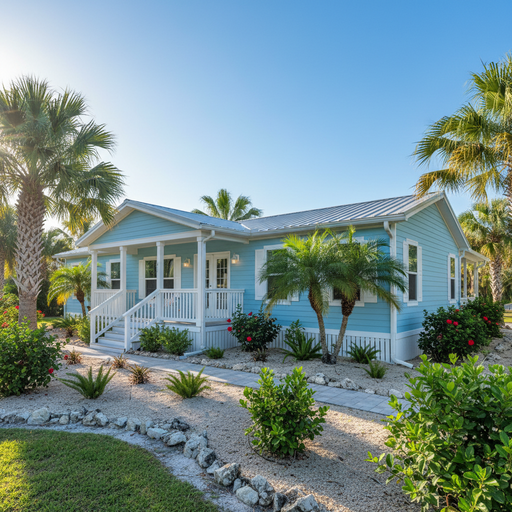
The first step in your Florida journey is the acquisition. The price of a mobile home in Florida varies wildly depending on location, age, and size. A brand-new, double-wide manufactured home with modern finishes—granite countertops, open floor plans, and energy-efficient appliances—can cost anywhere from $120,000 to $250,000. While that might sound high, compare it to the $400,000+ price tag of a traditional “sticks-and-bricks” home in the same area.
If you are looking for a bargain, the pre-owned market is where the action is. You can find older units in 55+ communities starting as low as $40,000 to $70,000. However, keep in mind that “fixer-uppers” in the mobile home world require specific knowledge. Renovating a manufactured home isn’t exactly like renovating a traditional house, as the materials and structural supports are different.
The Monthly Ledger: Lot Rent and Hidden Fees
If you choose to live in a park where you lease the land, your biggest recurring expense after your mortgage (if you have one) is the lot rent. This is where many newcomers get surprised. In Florida, lot rent can range from a modest $400 in rural inland areas to over $1,200 in prime coastal locations like Fort Myers or Clearwater.
What does this lot rent cover? Usually, it includes:
- Trash collection and sewer services.
- Maintenance of common areas and landscaping.
- Access to amenities like swimming pools, clubhouses, and shuffleboard courts.
- Basic cable or internet in some premium communities.
While paying $900 a month in “rent” for land you don’t own might seem counterintuitive, you have to weigh it against the property taxes and maintenance costs of a traditional home. In many leased-land scenarios, you don’t pay traditional real estate taxes on the land; instead, you pay a much lower aual “decal fee” or personal property tax on the unit itself.
The Hurricane Factor: Insurance and Safety
Let’s address the elephant in the room: Florida weather. Living in a mobile home in a hurricane-prone state requires a specific financial and mental strategy. Since 1994, HUD has enforced strict “Wind Zone” requirements for manufactured homes. Homes built for Florida must meet Zone 2 or Zone 3 standards, meaning they are engineered to withstand much higher wind speeds than those in the Midwest.
However, this safety comes at a cost. Insurance for mobile homes in Florida has become increasingly expensive and, in some areas, difficult to find. You can expect to pay anywhere from $1,500 to $4,000 aually for a comprehensive policy that includes windstorm coverage. Factors like the age of the roof and the presence of “tie-downs” (anchors that secure the home to the ground) will heavily influence your premium. When calculating your cost of living, never overlook the insurance quote; it can make or break your budget.
Utilities and Everyday Expenses
Living in Florida means ruing the air conditioning for at least nine months of the year. Older mobile homes are notorious for poor insulation, which can lead to staggering electric bills in July and August. However, modern manufactured homes are built with surprisingly good energy efficiency. On average, you can expect an electric bill ranging from $120 to $200 a month depending on the size of your unit and your temperature preferences.
Water and sewer costs are often bundled into lot rent, but if they aren’t, expect to pay around $50-$80 a month. One of the perks of Florida living is the lack of a state income tax, which leaves more money in your pocket for the fun stuff—like those $15 margaritas at the beach bar or a pass to the local state parks.
The Community Lifestyle: 55+ vs. All-Age Parks
Florida is famous for its 55+ manufactured home communities. These are essentially resorts for active adults. When you look at the cost of living, you have to factor in the lifestyle value. Many of these parks offer a social calendar that rivals a cruise ship: potlucks, dance nights, water aerobics, and golf cart parades. If you are a social butterfly, the “all-in” cost of a mobile home provides a built-in community that you simply won’t find in a standard suburbaeighborhood.
For families, “all-age” parks provide a way to live in good school districts without the high entry price of traditional real estate. However, be aware that these parks are in high demand and often have waiting lists, which can sometimes drive up the lot rent.
Is It a Good Investment?
From a purely financial standpoint, a mobile home on leased land is generally considered a depreciating asset, much like a car. It is a “lifestyle investment” rather than a “wealth-building investment.” If you own the land (the “dirt”), your property value will likely appreciate over time along with the rest of the Florida market. If you are on leased land, the home will likely lose value over decades, though in the current hot Florida market, even older mobile homes have seen surprising price retention.
The real “profit” comes from the monthly savings. If living in a mobile home saves you $1,500 a month compared to a traditional mortgage and taxes, and you invest that $1,500 into a diversified portfolio, you may end up wealthier in the long run than the person struggling to pay off a $500,000 house.
Conclusion: Finding Your Place in the Sun
The cost of living in a Florida mobile home is a nuanced puzzle. It’s a blend of lower upfront costs and manageable monthly expenses, balanced against the unique challenges of insurance and land leases. For many, it represents the only way to enjoy the Florida lifestyle—the proximity to the coast, the vibrant sunsets, and the relaxed pace of life—without being “house poor.”
As you plan your move, do your homework. Look beyond the sticker price and investigate the lot rent history, the age of the HVAC system, and the specific wind zone rating of the home. Florida is a place of incredible beauty and opportunity, and for those willing to look outside the traditional housing box, a mobile home can be the golden ticket to a suy, affordable future. It’s not just about a roof over your head; it’s about the freedom to live the life you’ve always imagined, one palm tree at a time.


