
SUBMIT YOUR DETAILS FOR
The Allure of the Salt Life
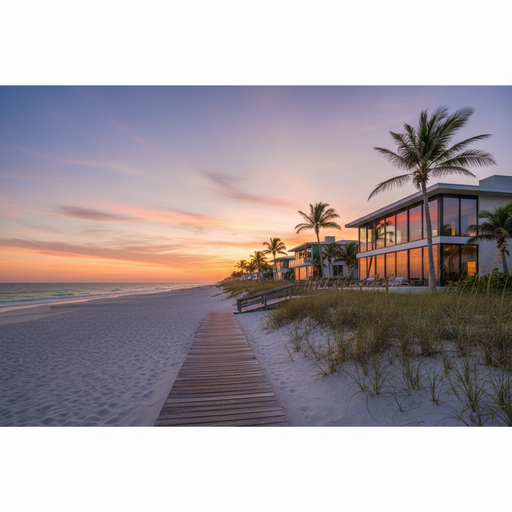
Imagine waking up to the gentle rhythm of waves kissing the shore, the smell of salt air wafting through your window, and the first rays of the Florida sun painting the sky in hues of orange and pink. For many, owning a beach home in the Sunshine State is the piacle of the American dream. It is a place where memories are made over sandy toes and sunset cocktails. However, as someone who has navigated the turquoise waters of the Florida real estate market, I can tell you that the transition from a vacationer to a coastal homeowner requires more than just a love for the ocean. It requires a strategy.
Florida’s coastline is as diverse as the people who flock to it. From the emerald waters of the Panhandle to the sophisticated shores of Palm Beach, every mile of sand tells a different story. Owning a home here is a lifestyle choice, but it is also a significant financial and logistical commitment. To help you navigate this journey, I have compiled an essential guide to Florida beach home ownership, blending practical advice with the lessons learned from those who have successfully made the leap.
Choosing Your Coast: Not All Sands are Created Equal
The first step in your ownership journey is realizing that Florida offers several distinct coastal “personalities.” Your lifestyle should dictate your location. Are you looking for the calm, shallow waters and white quartz sand of the Gulf Coast? Places like Siesta Key or Clearwater are perfect for families and those seeking a tranquil retreat. The Gulf side generally offers spectacular sunsets and a slower pace of life.
On the flip side, the Atlantic Coast—think Daytona, Cocoa Beach, or Miami—offers a different energy. Here, the waves are bigger, making it a haven for surfers and water sports enthusiasts. The Atlantic side is also where you will find some of the state’s most vibrant nightlife and luxury shopping. Beyond the vibe, consider the geography. The Atlantic side is often deeper, while the Gulf is shallower, which can affect everything from boat dockage to how far you have to walk to reach the water during low tide.
The Invisible Enemy: Salt, Humidity, and Corrosion
In a storytelling sense, if your beach home is the protagonist, then the coastal environment is the persistent antagonist. While the salt air feels wonderful on your skin, it is incredibly harsh on building materials. This is one of the most overlooked aspects of Florida beach home ownership. When you live within a mile of the ocean, “salt spray” becomes a part of your daily life.
Metal surfaces, including your outdoor furniture, AC condensers, and even door hinges, will oxidize at an accelerated rate. To combat this, experienced owners swear by a few key practices:
- Rinse Regularly: It sounds simple, but hosing down your exterior walls and windows once a week can significantly reduce salt buildup.
- Material Choice: Opt for high-grade stainless steel, composite decking like Trex, and impact-resistant vinyl windows rather than wood or cheap aluminum.
- AC Maintenance: Your air conditioning unit is your lifeline in Florida. Invest in a coastal-grade unit with protective coatings on the coils, and have it serviced at least twice a year.
Weathering the Storm: Hurricane Preparedness and Insurance
We caot talk about Florida without discussing hurricane season. For a beach homeowner, this isn’t just a news headline; it is a reality of life from June through November. Modern Florida building codes are some of the strictest in the world, which is a good thing for new owners. If you are buying an older home, you must prioritize “hardening” the structure.
This includes installing impact-rated windows and doors or having a reliable shutter system. The roof is your first line of defense; ensure it has hurricane straps that secure the roof to the walls of the house. From a financial perspective, insurance is the biggest hurdle in Florida today. You will likely need a combination of three policies: homeowner’s insurance, windstorm insurance, and flood insurance. Because many national carriers have pulled back from the Florida market, working with a local independent agent who understands the current landscape is non-negotiable.
The Legal Landscape: HOAs and Rental Restrictions
Before you sign on the dotted line, you must understand the rules of the land. Many Florida beach communities are governed by Homeowners Associations (HOAs) or Condo Associations (COAs). These entities can dictate everything from the color you paint your front door to where you park your boat.
More importantly, if you plan to offset your mortgage by renting the property on platforms like Airbnb or VRBO, you must check local ordinances and HOA bylaws. Some municipalities in Florida have strict “short-term rental” bans, requiring a minimum stay of 30 days or more. Others require specific licenses and the collection of a tourist development tax. Never assume you can rent out your home until you have seen the regulations in writing.
The Financial Incentives: Homestead and Taxes
While the costs of insurance and maintenance can be high, Florida offers some unique financial “carrots.” One of the most significant is the Homestead Exemption. If your beach home becomes your primary residence, you can exempt a portion of its value from property taxes. Furthermore, the “Save Our Homes” amendment caps the aual increase in the assessed value of your homesteaded property at 3%, protecting you from skyrocketing taxes as property values rise.
Additionally, Florida is one of the few states with no state income tax. For many retirees or remote workers moving from high-tax states like New York or California, the savings in income tax can often cover the increased costs of coastal insurance and maintenance.
Protecting the Ecosystem: Being a Good Coastal Neighbor
Owning a home on the beach comes with a responsibility to the environment. Florida’s beaches are nesting grounds for endangered sea turtles. From May to October, “lights out” ordinances are strictly enforced. Artificial light can disorient hatchlings, leading them away from the ocean. As a homeowner, you will need to use turtle-friendly amber lighting or keep your blinds closed at night.
Furthermore, pay attention to the dunes. The sea oats and dunes in front of your home are not just scenery; they are a vital barrier against storm surges. Walking on the dunes is often illegal and environmentally damaging. Respecting the local flora and fauna ensures that the beach remains beautiful for generations to come.
Is It Worth It? The Final Verdict
After considering the salt spray, the insurance premiums, and the hurricane shutters, you might wonder if it’s worth the effort. The answer, for those who truly love the water, is a resounding yes. There is a peace that comes with coastal living that simply caot be replicated in a landlocked suburb. It’s the feeling of the sand between your toes after a long day of work, the community of neighbors who watch the sunset together, and the knowledge that you own a piece of paradise.
Florida beach home ownership is not just a real estate transaction; it is an investment in your quality of life. By doing your due diligence, preparing for the elements, and understanding the local market, you can turn the dream of a beach house into a rewarding reality.
Conclusion
Navigating the journey of Florida beach home ownership is a marathon, not a sprint. It requires a balance of emotional desire and practical logic. From selecting the right coast to hardening your home against the elements and understanding the complex insurance market, every step you take brings you closer to a secure and joyful coastal lifestyle. Remember, the best time to buy a piece of the Florida coast was twenty years ago; the second best time is now—provided you go in with your eyes wide open and a solid plan in place. Welcome to the neighborhood; the water is fine.


