
SUBMIT YOUR DETAILS FOR
The Soul of Your Home: Why Premium Wood Finishes Matter
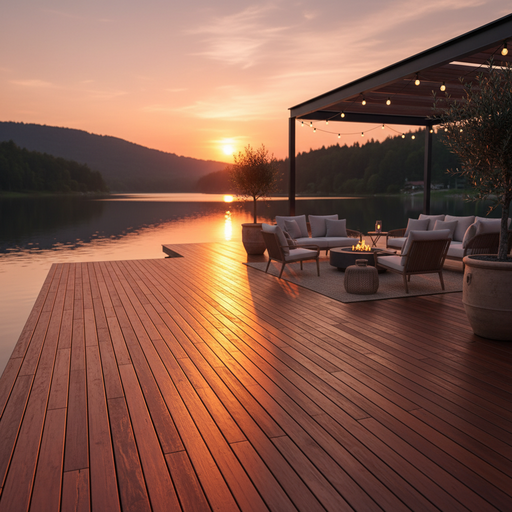
There is something inherently magical about the warmth of natural wood. Whether it is a sprawling cedar deck, a majestic oak front door, or the intricate teak furniture surrounding your patio, wood brings a living, breathing element to architecture. However, as any homeowner knows, the very elements that make us love the outdoors—the golden sun, the rhythmic rain, and the shifting seasons—are the sworn enemies of unprotected timber.
I remember visiting a friend’s coastal cottage a few years ago. He had spent a fortune on a gorgeous mahogany wrap-around porch. It was the centerpiece of the house. But within two years, the vibrant reddish-brown hues had faded into a dull, thirsty gray. The wood was checking, splitting, and losing its structural integrity. He had used a bargain-bin sealant, thinking all wood finishes were created equal. They aren’t. That experience taught us both a valuable lesson: when it comes to the exterior of your home, “premium” isn’t just a marketing buzzword; it is an investment in longevity and beauty.
In this guide, we are going to dive deep into the world of premium exterior wood finishes. We will explore why they outperform standard options, how to choose the right one for your specific project, and the storytelling secrets to applying them like a seasoned professional.
The Science Behind the Shine: What Makes a Finish “Premium”?
To understand the value of a high-end finish, we have to look under the microscopic hood. Standard exterior stains often rely on cheap oils and low-grade pigments that sit on the surface. They provide a temporary shield, but they quickly break down under UV radiation.
Premium finishes, however, are formulated with high-quality resins and trans-oxide pigments. These pigments are ground so finely that they don’t just block the sun; they act like a high-SPF sunscreen for your wood while still allowing the natural grain to show through. Furthermore, premium products often contain advanced biocides and fungicides. These aren’t just there to kill existing mold; they create an inhospitable environment for future spores, ensuring your wood doesn’t turn green or black during the humid summer months.
Penetrating Oils vs. Film-Forming Finishes
When you browse the aisles of a high-end paint boutique, you will generally find two philosophies of protection: penetrating oils and film-forming finishes.
- Penetrating Oils: These are the darlings of the purist. They soak deep into the wood fibers, replenishing the natural oils lost to evaporation. Because they live inside the wood rather than on top of it, they never peel or flake. Maintenance is as simple as a light cleaning and a “refresher” coat every few years.
- Film-Forming Finishes: Think of these as a flexible, breathable skin. High-end varnishes and certain acrylic-alkyd hybrids fall into this category. They provide a higher level of gloss and a thicker barrier against physical wear. The “premium” versions of these are engineered to expand and contract with the wood, preventing the dreaded cracking that plagues cheaper alternatives.
Choosing Your Aesthetic: Transparent, Semi-Transparent, or Solid?
The choice of finish is as much about character as it is about chemistry. I often tell clients that choosing a wood finish is like choosing the “filter” for your home’s outdoor story.
Clear and Transparent Finishes are for those who want to celebrate the wood in its rawest form. If you have expensive Ipe or Western Red Cedar, you likely want to show off that grain. However, be warned: even the most premium clear finishes require more frequent maintenance because they have the least amount of pigment to deflect UV rays.
Semi-Transparent Stains are the “sweet spot” for most homeowners. They add a hint of sophisticated color—think rich walnuts, warm honey, or weathered grays—while still allowing the unique knots and textures of the timber to tell their story. This is where premium brands really shine, offering colors that look natural rather than “painted on.”
Solid Color Stains are perfect for older wood that might have some imperfections or discolorations. While they look like paint, they are technically stains designed to penetrate the surface. They offer the highest level of UV protection and can last many years before needing a touch-up.
The Ritual of Application: A Story of Preparation
If there is one secret to a professional-grade finish, it isn’t in the brush; it is in the prep work. You caot rush the foundation. I like to think of it as preparing a canvas for a masterpiece.
Step 1: The Deep Clean
Before any finish touches the wood, the surface must be pristine. This means removing “mill glaze” from new wood or grayed fibers from old wood. Using a specialized wood cleaner—rather than just a pressure washer—is crucial. Pressure washers can often “fuzz” the wood fibers, creating a texture that looks like a cheap carpet once stained. A gentle scrub with a premium oxygen-bleach cleaner does wonders.
Step 2: The Art of Sanding
Sanding is where the transformation truly begins. For a deck or siding, you don’t need it to be as smooth as a dining table, but a light pass with 60-80 grit sandpaper opens up the “pores” of the wood. This allows the premium finish to dive deep into the grain. It is a meditative process, watching the dull, weathered surface give way to the bright, fresh wood beneath.
Step 3: The Application
When it is finally time to apply the finish, timing is everything. Avoid the midday sun, which can cause the finish to dry too quickly and leave “lap marks.” Instead, aim for a cool, overcast day. Whether you are using a natural bristle brush or a high-quality sprayer, the goal is “back-brushing.” This means even if you spray the product on, you follow up with a brush to push the oils into the wood. It’s the difference between a surface-level coat and a deep, lasting bond.
Maintenance: Preserving the Legacy
One of the biggest misconceptions about premium exterior wood finishes is that they are “one and done.” In reality, wood is an organic material that requires ongoing care. However, the beauty of using high-quality products is that maintenance becomes a simple ritual rather than a grueling chore.
Every spring, give your wood surfaces a simple wash with water and a mild detergent. Look for areas where the water no longer “beads” on the surface. That is the wood’s way of telling you it is thirsty. By applying a single maintenance coat of a premium oil every 2-3 years, you avoid the need for heavy sanding ever again. You are essentially building a cumulative layer of protection that grows more resilient over time.
Environmental Responsibility in Premium Finishes
In the modern era, “premium” also means “responsible.” The high-end market has shifted significantly toward Low-VOC (Volatile Organic Compounds) and water-borne alkyd technologies. These products offer the durability of traditional oil-based stains but without the harsh chemical smells and environmental impact. Using a premium, eco-friendly finish means you can enjoy your beautiful outdoor space without worrying about the health of your garden or your family.
Conclusion: The Lasting Impression
At the end of the day, choosing a premium exterior wood finish is about more than just home maintenance. It is about pride of ownership. It is about pulling into your driveway after a long day and seeing a home that looks cared for, vibrant, and timeless. It is about the peace of mind that comes from knowing your investment is shielded against the harshest of winters and the hottest of summers.
Wood tells a story of time, growth, and natural beauty. By choosing the right finish and applying it with care, you ensure that the story remains a beautiful one for decades to come. Don’t settle for the temporary fix. Choose the premium path, and let your home’s natural character shine through the elements.


