
SUBMIT YOUR DETAILS FOR
Welcome to the Sunshine State Dream
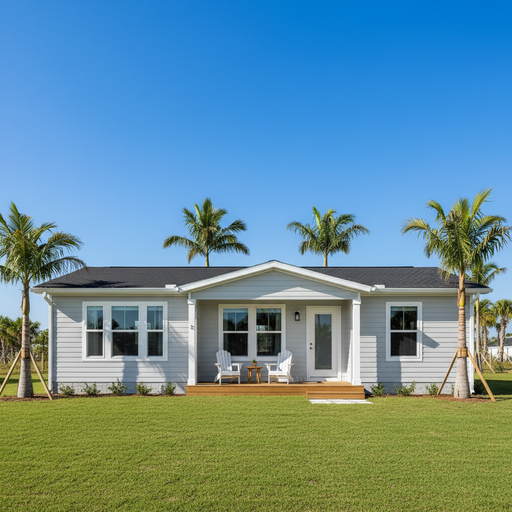
Imagine waking up to the gentle rustle of palm fronds outside your window, the warm Florida sun streaming through the glass, and the smell of salt air in the distance. For many, this is the ultimate retirement or vacation dream. However, with the rising costs of traditional brick-and-mortar real estate, that dream can sometimes feel out of reach. That is where the vibrant and diverse world of Florida mobile homes comes into play.
Buying a mobile home in Florida isn’t just about finding a place to sleep; it’s about choosing a lifestyle. Whether you are looking for a high-end 55+ community with pickleball courts and heated pools, or a quiet plot of land in the rural interior, the process is quite different from buying a standard house. As someone who has navigated these suy waters, I want to walk you through the journey of making a mobile home your own in the Sunshine State.
Understanding the Basics: Mobile vs. Manufactured
Before we dive into the “where” and “how,” let’s clear up some terminology. In the eyes of the law and the Department of Housing and Urban Development (HUD), there is a distinct difference between a mobile home and a manufactured home. Technically, a “mobile home” refers to units built before June 15, 1976. Anything built after that date under the federal building code is officially a “manufactured home.”
Why does this matter? Because in Florida, the age of the home affects everything from your ability to get insurance to the financing options available to you. Most lenders prefer homes built after 1994, which is when HUD updated wind-load requirements following the lessons learned from Hurricane Andrew. When you’re browsing listings, keep a close eye on the year it was built.
The Great Debate: Leased Land vs. Land-Owned
In Florida, you will encounter two primary ways to “own” a mobile home, and this is perhaps the most important decision you will make. It’s the fork in the road that determines your monthly budget and your long-term equity.
1. Leased Land (Lot Rent)
In this scenario, you own the structure of the home, but you pay a monthly fee (lot rent) to a park owner for the land it sits on. This is very common in luxury 55+ communities.
- Pros: Lower upfront purchase price; amenities like pools, clubhouses, and lawn maintenance are often included.
- Cons: You don’t build equity in the land; lot rent can increase aually; you are subject to park rules and regulations.
2. Land-Owned (Fee Simple or Co-op)
Here, you own both the home and the land beneath it. This is more like traditional real estate.
- Pros: No monthly lot rent (though there may be a small HOA fee); the property typically appreciates in value; more freedom to modify your yard.
- Cons: Higher initial purchase price; you are responsible for all land maintenance and taxes.
Navigating the Search: What to Look For
When you start touring homes in person, it’s easy to get distracted by shiny new kitchen cabinets or fresh paint. However, in Florida’s humid and stormy climate, you need to look at the “bones.”
Check the Vapor Barrier: This is a thick plastic sheet under the home that prevents moisture from the ground from rotting the floor joists. In Florida, a damaged vapor barrier is an invitation for mold and soft spots in the floor.
Inspect the Roof-Over: Many Florida mobile homes have a “roof-over,” which is an additional layer of roofing material (often aluminum or rubber) installed over the original roof. Check for signs of leaks or peeling around the edges.
The AC Unit: Florida heat is relentless. If the AC unit is more than 10 years old, budget for a replacement soon. Salt air near the coast can also corrode the coils faster than in inland areas.
Financing Your Florida Retreat
Financing a mobile home is a different beast than a traditional mortgage. If the home is on leased land, it is considered “personal property” (like a car) rather than “real property.” This means you will likely need a chattel loan. Chattel loans often have higher interest rates and shorter terms than traditional mortgages.
If you are buying the land along with the home, you may qualify for conventional, FHA, or VA loans, provided the home is on a permanent foundation and was built after 1976. Always get pre-approved before you start your search, as the Florida market moves fast, and cash is king in many park communities.
The Importance of Hurricane Preparedness
We can’t talk about Florida without talking about hurricanes. Florida has strict tie-down requirements for manufactured homes. When you buy a home, ensure it has been inspected for proper anchoring. Homes built under the post-1994 HUD Zone 3 standards are designed to withstand much higher wind speeds. If you are buying an older home, look into retrofitting it with modern hurricane shutters and updated tie-down straps—it could save you a fortune on insurance premiums.
The Closing Process: Titles and Taxes
If you are buying a home on leased land, the transfer of ownership often happens through the Florida Department of Highway Safety and Motor Vehicles (FLHSMV), similar to a vehicle title transfer. You will pay a sales tax at the time of the title transfer.
If the home is on owned land and classified as real property, the closing will look more like a traditional real estate closing with a deed, title insurance, and recording at the county clerk’s office. Don’t forget to apply for your Homestead Exemption if this will be your primary residence; it can significantly lower your property taxes!
Final Thoughts: Embracing the Lifestyle
Buying a mobile home in Florida is about more than just square footage; it’s about joining a community. It’s about golf cart parades, potluck diers, and having the financial freedom to enjoy your golden years or your winter escape without the burden of a massive mortgage.
Do your homework, hire a specialized inspector, and take your time to find the right park or piece of land. The Florida sun is waiting for you, and with the right preparation, your transition to the mobile home lifestyle will be as smooth as a Gulf Coast sunset.


